
10 Things to Know Before Building a Swimming Pool in Las Vegas
What should you know before building a swimming pool in Las Vegas? Start with the property, a realistic total budget, and the way you want to use the backyard. Then confirm permits and HOA requirements, excavation access, pool design, equipment, long-term operating costs, and how your contractor handles changes. Those decisions have more influence on the final result than choosing tile colors first.
A new inground swimming pool is a significant investment and a permanent change to your property. For homeowners in Las Vegas, Henderson, Summerlin, and the surrounding valley, the desert climate adds considerations that are easy to overlook. These ten planning steps will help you compare bids and make better decisions before construction begins.
1. Set a Budget for the Whole Backyard, Not Just the Pool
Pool size and shape matter, but so do decking, site grading, walls, utilities, hardscape, fencing or barriers, landscaping, shade, equipment, lighting, and any spa or fire features. Ask for an itemized proposal identifying allowances, excluded work, taxes and fees, and potential changes. Custom pools in Las Vegas commonly range from about $60,000 to $150,000 or more, but the specific lot and design drive the price. A detailed estimate is more useful than a generic online average.
If financing is part of your plan, compare repayment terms and total borrowing costs before making design commitments. Pools R Us lists several pool financing options for qualified homeowners.
2. Make Sure the Pool Fits the Property
Start with a measured site plan showing the home, property lines, easements, existing utilities, yard access, grade changes, and intended pool area. A pool that looks perfect in a rendering may need adjustment once setback requirements and access are considered. Preserve room for maintenance, seating, shade, and movement around the pool.
Ask how the layout affects privacy, sightlines from the house, afternoon sun, and the relationship between the water and neighboring property.
3. Confirm Permits and HOA Requirements Early
New inground pools require applicable building permits and inspections. The correct authority depends on the physical address, not simply whether a mailing address says Las Vegas. Clark County and incorporated cities may have different processes. Many master-planned developments also require an architectural submission to the HOA.
Get clarity on who prepares engineering and plans, who submits paperwork, which approvals are needed before excavation, and who schedules inspections. HOA approval does not replace a building permit.
4. Account for Caliche and Desert Soil Conditions
Some Las Vegas Valley lots contain caliche and other challenging soil conditions. Hard material can slow excavation and affect equipment needs. Soil behavior, drainage, grading, and structural engineering requirements should be reviewed for the actual site.
Ask how the contractor evaluates excavation conditions, what is included in the quoted price, and how unforeseen conditions are documented and priced.
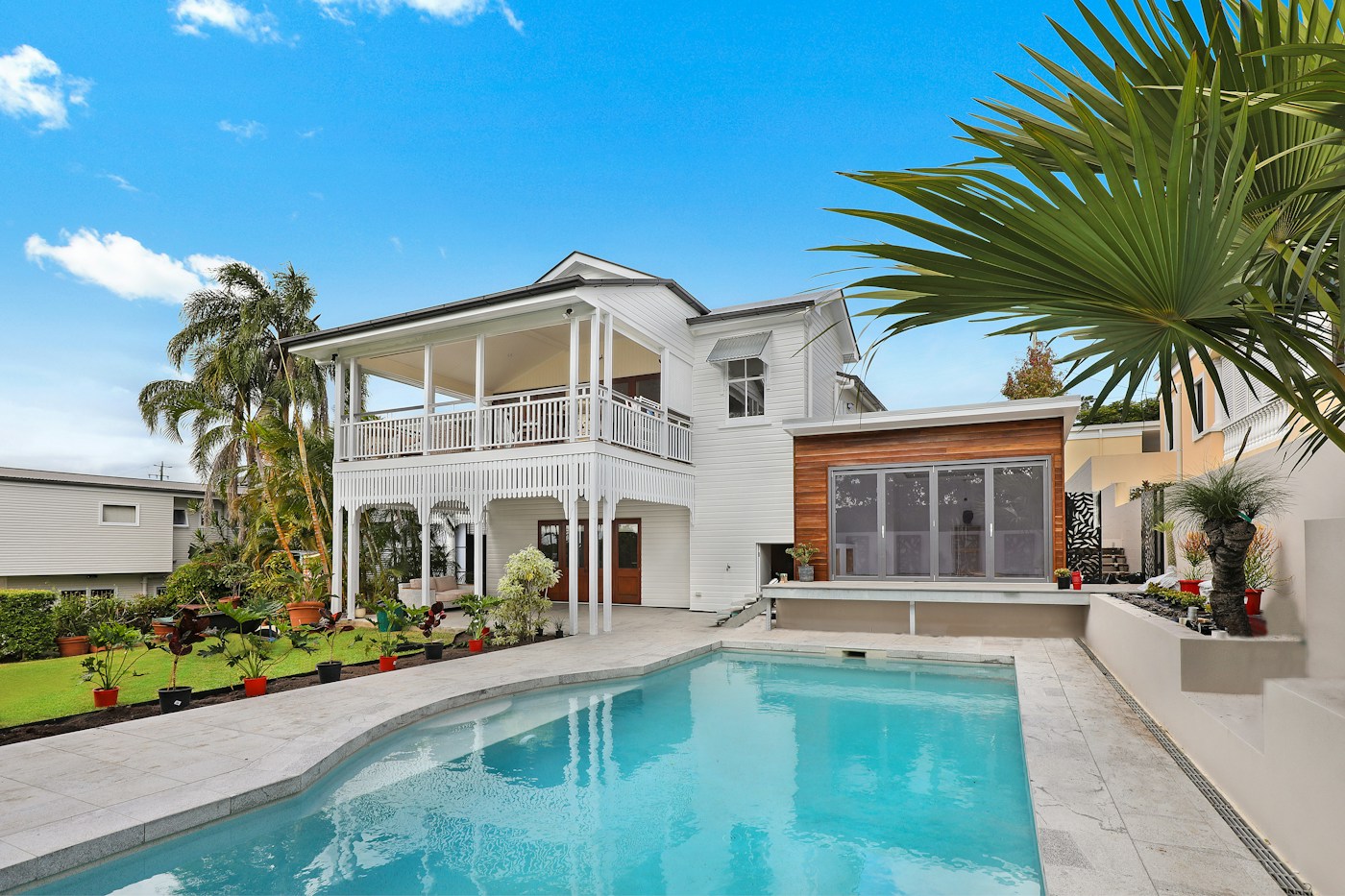
5. Choose a Pool Shape Based on Use, Not Trends
A rectangular pool may offer simple swimming space and a clean architectural look. A freeform pool can soften the landscape and create a resort-like feel. Compact plunge pools and spools make sense when the yard is small. Integrated spas, tanning ledges, and benches can add function but take up space that might otherwise be open water.
Compare layout options with 3D renderings, and review examples of finished Southern Nevada pools before making the final selection.
6. Select Equipment for Long-Term Performance
Discuss variable-speed pumps, filter type and size, sanitizer system, heater or heat pump options, automation, and how water features affect circulation. Equipment should be sized for the design rather than selected based solely on advertised features. Plan a serviceable equipment pad with reasonable access and attention to noise.
Ask for a demonstration of the controls during handoff and request written documentation for equipment models, warranties, startup, and routine maintenance.
7. Design for Heat, Sun, Wind, and Evaporation
The Las Vegas climate affects how comfortable a pool feels and how much water and energy it consumes. Consider shade over adjacent seating, lighter decking materials, pool covers where appropriate, and orientation relative to prevailing sun and wind. Highly exposed fountains and water features may increase evaporation and maintenance.
Test coping and deck material samples outdoors. Choose finishes suited to UV exposure, traction, and the kind of maintenance you are willing to perform.
8. Understand What Owning the Pool Will Cost
The upfront construction price is only part of the financial picture. Ongoing expenses can include electricity, water replacement, chemicals, cleaning, filter servicing, equipment repairs, and eventual resurfacing. Heating a spa or pool adds additional energy use.
Request an estimate for the exact equipment and proposed usage pattern. If you are deciding which upgrades matter most, prioritize efficient operation, accessibility, and features you will genuinely use.
9. Compare Pool Builders Beyond the Lowest Bid
A low price is not useful if essential work is omitted. Check the contractor’s license, recent local project examples, scope of work, payment milestones, insurance, warranty information, permit responsibilities, and communication process. Be especially clear on change orders and how delays are communicated.
Pools R Us is a family-owned Las Vegas Valley builder offering custom gunite pool construction. Review its portfolio and discuss project-specific design and scope before comparing proposals.
10. Plan the Construction Schedule and Handoff
Many custom pool builds take roughly 8 to 12 weeks after design approval, although approvals and complex features can extend the overall project timeline. Coordinate other yard improvements so they do not interfere with pool excavation and finishing. Ask who manages trade scheduling, inspections, final cleanup, and the startup process.
Before final payment and turnover, confirm the punch list, equipment orientation, warranties, surface-care requirements, permit closeout, and whom to contact if an issue arises.
Questions to Ask During a New Pool Consultation
- Which jurisdiction will approve the pool for my specific address?
- What is included in excavation, hauling, engineering, decking, and equipment?
- Are HOA submissions and changes handled by your team?
- What conditions might require a written change order?
- What are the expected design, approval, and construction milestones?
- Who is responsible for startup training and warranty service?
- Can I review examples of projects with comparable scope and budget?
Where Homeowners Often Spend Too Much
Expensive extras are not automatically bad investments, but add-ons should serve a purpose. A water feature that runs only occasionally, extensive premium tile in rarely seen areas, or overly complex automation can consume budget without improving how the family uses the space. In contrast, thoughtful steps, appropriate shade, comfortable decking, reliable equipment, and a well-designed seating area may improve everyday enjoyment.
Balance aesthetics and operation. If you are uncertain about a feature, ask the builder what it costs to include now, what it would cost to add later, and what ongoing maintenance it creates. Some additions are easier during the initial build; others can be deferred without major disruption.
A Good New Pool Plan Starts With a Site-Specific Design
Pools R Us begins custom pool projects with a property evaluation and design consultation, then coordinates the design, engineering, permitting, construction, startup, and final walkthrough. You can explore its Las Vegas pool builder services or contact the team for a conversation about the available space and the finished backyard you want.
Frequently Asked Questions
Do I need a permit to install a pool in Las Vegas?
Yes. New inground pools require permits and inspections through the authority responsible for the property. A contractor should determine the correct jurisdiction from the site address.
How much does it cost to build a pool in Las Vegas?
Custom pools commonly range from about $60,000 to $150,000 or more depending on size, soil, design, finishes, equipment, spa, and outdoor living features. Obtain an itemized project-specific quote.
What type of pool is best for Las Vegas?
A properly engineered custom gunite pool is a strong option when design flexibility and site-specific construction matter. The best configuration depends on use, lot constraints, budget, and maintenance preferences.
Can I build a pool in a small yard?
Often, yes. A plunge pool, spool, or compact geometric design may work after checking property lines, setbacks, easements, utility locations, equipment placement, and access.
Does adding a pool increase home value?
A well-designed pool may improve appeal to certain Southern Nevada buyers, but any increase in resale value depends on the market, property, pool condition, and buyer preferences. Do not assume full cost recovery.
How long before summer should I start planning?
Start several months ahead, particularly when HOA review, extensive decking, or custom features are involved. Early planning provides more room for design, permits, and potential delays.
What should be included in a pool builder contract?
The agreement should define the scope and exclusions, plans and specifications, payment schedule, anticipated milestones, permits, change-order process, warranty terms, and responsibilities for site restoration and handoff.
Can a pool and outdoor kitchen be built together?
Yes. Coordinating utilities, grade, drainage, hardscape, and access during initial planning often produces a more cohesive result than designing them as separate projects.
Start Planning Your New Las Vegas Swimming Pool
A pool is easier to plan when the design, budget, and construction realities are considered together. Explore Pools R Us custom pool construction, browse the project portfolio, or schedule a consultation to discuss the possibilities for your property. Call 702-285-5029 to get started.